AI Agents for Logistics: Route & Order Optimization
Discover how AI agents for logistics optimize routes, automate order management, and handle tracking via WhatsApp without replacing your ERP or TMS.
- AI Agents for Logistics
- Route Optimization
- Order Management
- Automated Customer Support
- Supply Chain Automation
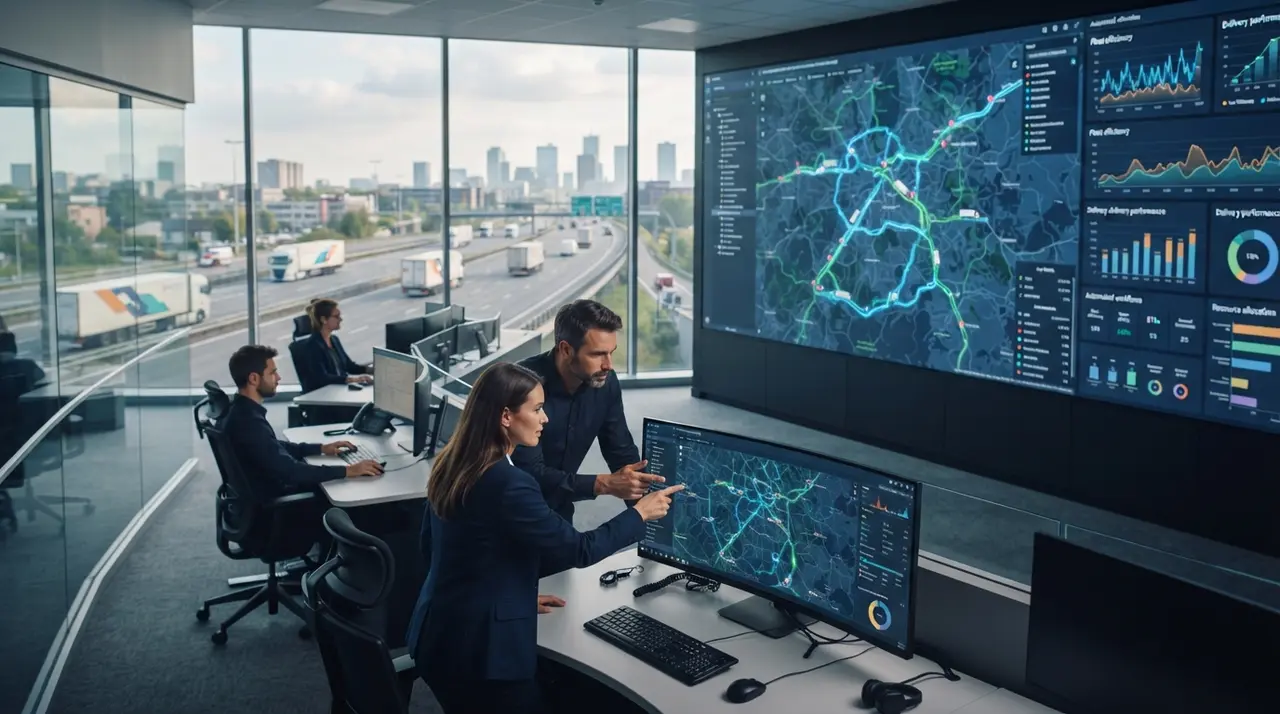
AI agents for logistics streamline freight operations by dynamically optimizing delivery routes, automating order tracking, and interacting directly with drivers and customers via digital channels. By integrating seamlessly with existing Transportation Management Systems (TMS) and Enterprise Resource Planning (ERP) software, autonomous agents resolve operational bottlenecks without requiring a full infrastructure overhaul.
Modern transportation companies operate under tight margins, fluctuating fuel prices, and relentless customer demand for instant delivery visibility. Traditional static dispatching and manual customer updates can no longer handle these daily variables efficiently. Adopting agentic AI workflows allows logistics managers to shift from constant firefighting to strategic supervision, letting intelligent agents monitor data feeds, adjust schedules, and communicate changes automatically.
Smart Route Optimization Under Dynamic Constraints
Dynamic route optimization powered by AI agents lowers fuel consumption and reduces delivery delay risks by continuously evaluating traffic, weather, load capacity, and time windows in real time.
Unlike legacy software that calculates routes once at the start of a shift, autonomous agents evaluate streaming data throughout the day. If a highway collision occurs or a receiving dock experiences unexpected delays, the AI recalculates optimal paths for affected vehicles while keeping fuel expense and driver working hours balanced.
| Metric / Feature | Traditional Dispatching | AI Agent Autonomous Routing |
|---|---|---|
| Route Calculation | Static (Batch calculated before departure) | Dynamic (Re-calculated in real-time) |
| Constraint Handling | Limited to basic capacity and zip codes | Multi-variable (Traffic, dock windows, weight, driver hours) |
| Exception Reaction | Manual dispatcher intervention required | Autonomous recalculation with human escalation if needed |
| Fuel Efficiency | Baseline fleet mileage | Optimized for minimal idle time and fuel consumption |
End-to-End Automated Order Management and Tracking
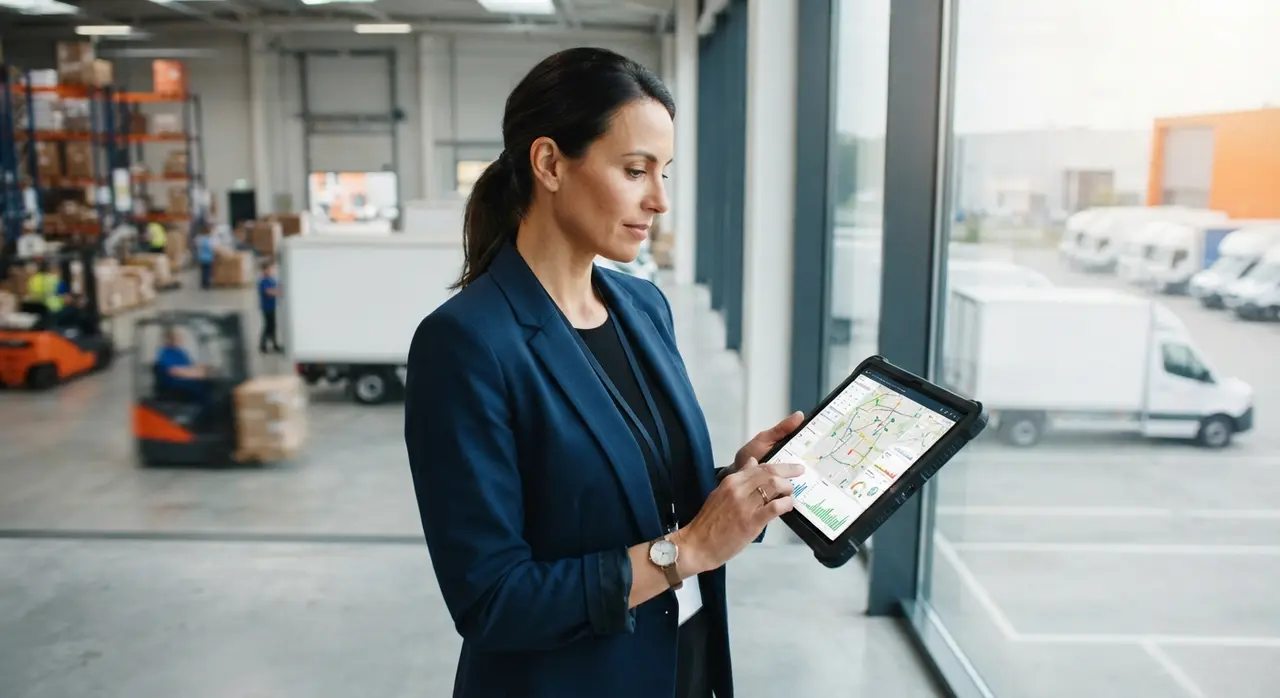
Automated order management eliminates manual data re-entry across logistics systems while keeping cargo status synchronized between warehouse management and customer portals.
From the moment an order enters the system, an AI agent can validate address data, cross-reference inventory availability, and generate optimal dispatch schedules. By extending intelligence directly into distribution center management AI, fulfillment pipelines maintain continuous data flow between loading bays and road fleets.
- Instant Order Verification: AI agents audit incoming logistics documentation to flag formatting errors or missing drop-off details before trucks load.
- Automated Carrier Matching: Cargo volume and specialized freight requirements are automatically matched with available fleet units or third-party carriers.
- Real-Time ERP Updates: ERP order statuses sync automatically when milestones are completed, keeping finance and operations aligned.
Automated Customer Support and Real-Time WhatsApp Delivery Status
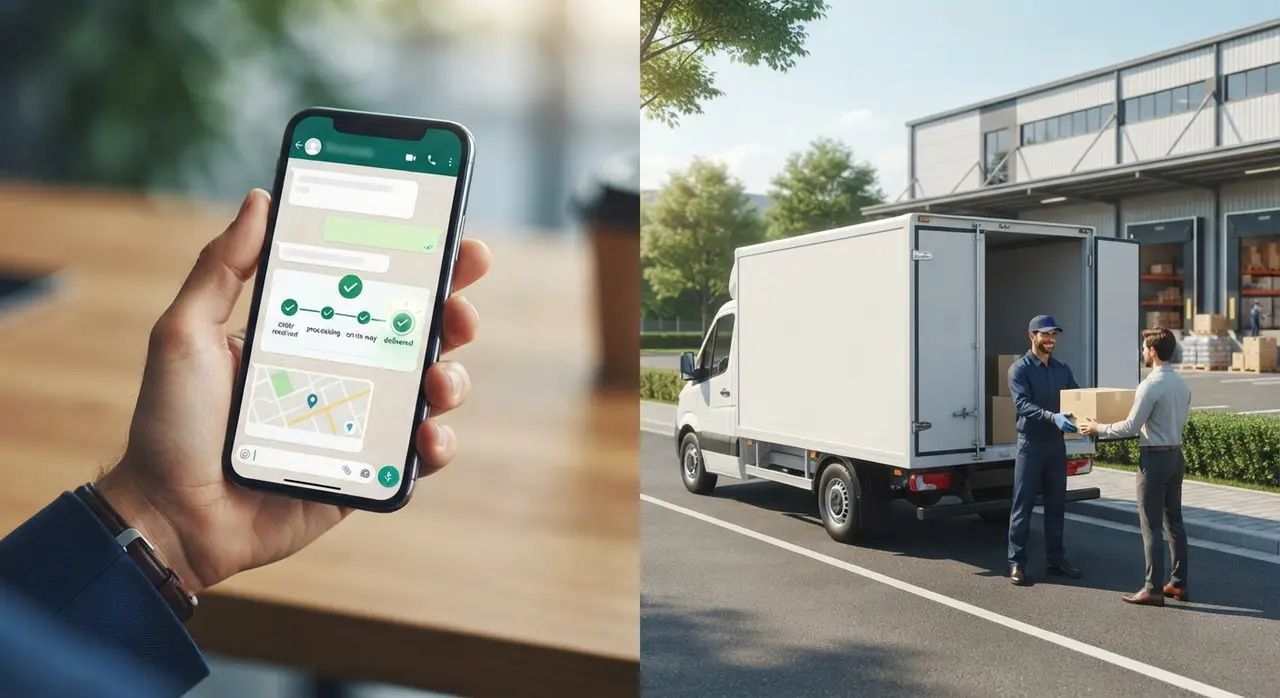
Real-time customer support automated by AI agents resolves order status queries instantaneously across WhatsApp and web channels, reducing call center volume significantly.
Logistics clients expect transparent, minute-by-minute visibility into their shipments. Instead of routing simple tracking requests to human support teams, AI agents pull live telemetry from GPS devices and TMS portals to deliver immediate updates directly over WhatsApp, SMS, or email.
Furthermore, when unexpected delays occur, the AI agent proactively notifies the recipient with updated estimated delivery times (ETAs), drastically cutting down inbound customer complaints and anxiety.
Demand Forecasting, Fleet Management, and Predictive Maintenance
Predictive maintenance and demand forecasting driven by AI agents protect fleet uptime and balance capacity before bottlenecks impact client deadlines.
Logistics operations depend on vehicle availability. AI agents aggregate engine diagnostic codes, mileage data, and brake wear metrics to schedule maintenance before breakdown events happen on active freight corridors.
- Telemetry Monitoring: Continuous ingestion of vehicle health signals flags minor technical issues early.
- Seasonal Demand Balancing: Historical shipping patterns guide pre-allocation of regional fleet capacity ahead of peak seasons.
- Subcontractor Allocation: When internal fleet capacity reaches safety limits, agents automatically query pre-vetted third-party logistics partners for bids.
Practical Mini-Case: How Agentes Autônomos Transformed Regional Freight Operations
Implementing specialized AI agents for logistics enables regional carriers to scale shipment volume while reducing operational costs per delivery.
A mid-sized regional freight carrier operating 140 vehicles faced high customer support volumes and frequent delivery window penalties due to unexpected urban traffic delays. By deploying tailored autonomous workflows built by Agentes Autônomos, the carrier connected their legacy ERP directly to WhatsApp and GPS tracking APIs.
The AI agents assumed total control over standard tracking queries and automatically rerouted trucks around severe traffic jams. The company reduced customer support call volume by over 40%, eliminated late-delivery fines, and freed human dispatchers to focus exclusively on high-priority client relationship management.
Frequently asked questions
How do AI agents integrate with our existing TMS and ERP software?
AI agents connect via native APIs, database connectors, or automated interface scripts to existing systems like Microsoft Dynamics, Linx, SAP, or proprietary TMS platforms. They read order inputs and dispatch data without requiring you to replace your operational tech stack.
What happens when an exception occurs during transport?
When an unplanned disruption occurs, the AI agent evaluates alternative actions such as rerouting or rescheduling. If human intervention is required, it instantly escalates the issue to a logistics manager with context and recommended solutions.
Can AI agents handle WhatsApp communication with drivers and customers?
Yes, AI agents natively interface with WhatsApp to send automated shipment status updates, collect proof of delivery, and respond to buyer tracking requests in real time. This keeps all parties informed 24/7 while drastically cutting manual phone queries.
How quickly can a carrier expect ROI after adopting AI agents for logistics?
Carriers typically observe tangible returns within the first few months of implementation through reduced fuel waste, lower customer call volume, and decreased administrative rework. Because AI agents layer over existing software, deployment times remain short and manageable.