AI Agents for Agricultural Export & Shipping Logistics
Discover how AI agents for agricultural export automate phytosanitary certifications, international shipping logistics, and cross-border compliance.
- Agribusiness AI
- Agricultural Export
- Phytosanitary Certification
- International Logistics
- Supply Chain Automation
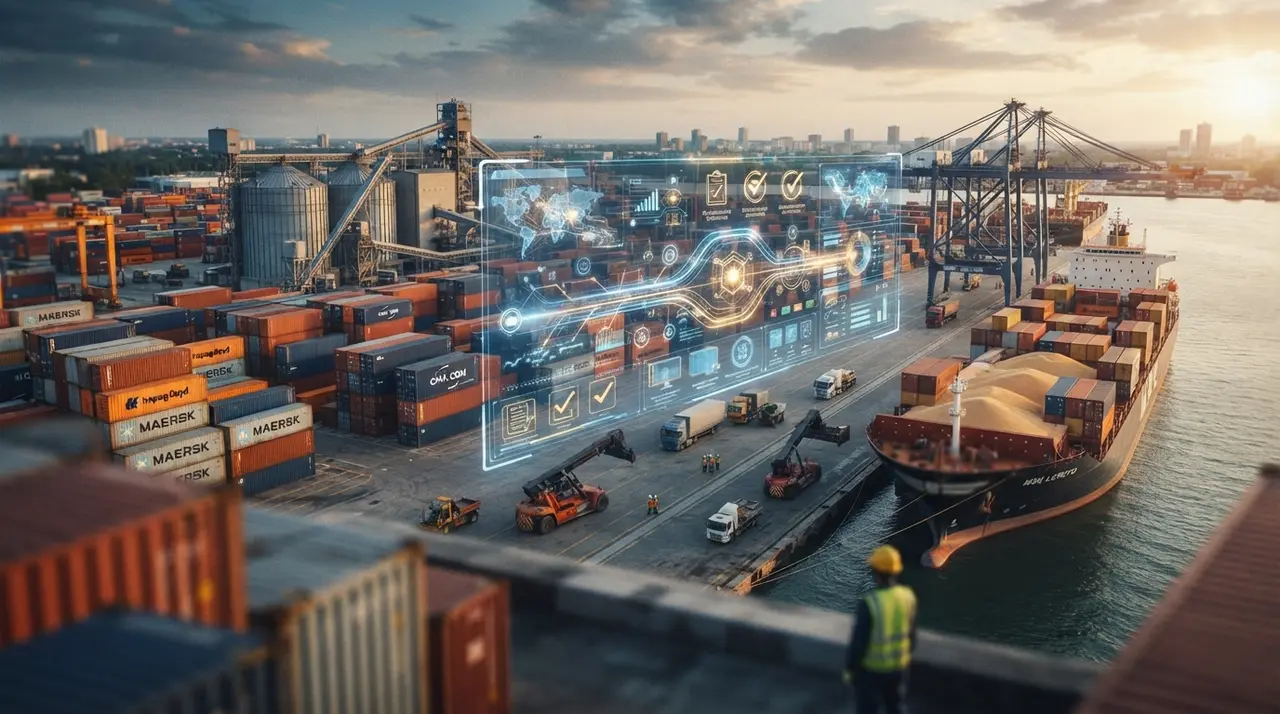
AI agents for agricultural export automate phytosanitary compliance, document verification, and port shipping logistics to prevent costly trade delays. By integrating directly with government regulatory databases, customs portals, and enterprise ERPs, these autonomous agents eliminate document discrepancies before cargo reaches the port.
For agribusiness managers and operations executives, managing global trade means balancing tight vessel booking windows against strict regulatory demands. A single missing field on a phytosanitary certificate or a delayed residue analysis report can cause port demurrage, rejected containers, or spoiled perishable goods. Implementing AI agents for agricultural export transforms this complex administrative burden into a predictable, automated workflow.
The Regulatory and Logistics Bottleneck in Agribusiness Exporting
International agricultural trade suffers from severe operational bottlenecks due to fragmented documentation and multi-agency regulatory checks. Agricultural exporters must coordinate compliance with national health authorities—such as MAPA and VigiAgro in Brazil—while satisfying the specific import criteria of destination countries like China, the EU, or the United States.
Perishable commodities such as fresh fruit, meat, grains, and specialty crops operate on strict shelf-life timers. When containers sit idle at port terminals awaiting paper cross-checks, daily demurrage charges accrue rapidly, and product quality degrades. Manual verification processes relying on spreadsheets, emails, and manual portal uploads simply cannot keep pace with modern shipping schedules.
- Fragmented documentation: Bills of lading, commercial invoices, packing lists, and origin certificates originate from separate internal and external entities.
- Destination-specific requirements: Import regulations, maximum residue limits (MRLs), and quarantine protocols vary significantly by market and change without notice.
- Strict vessel cut-off dates: Port gate-in deadlines require synchronized document clearance alongside physical transport scheduling.
Automating Phytosanitary Certification and Document Audits
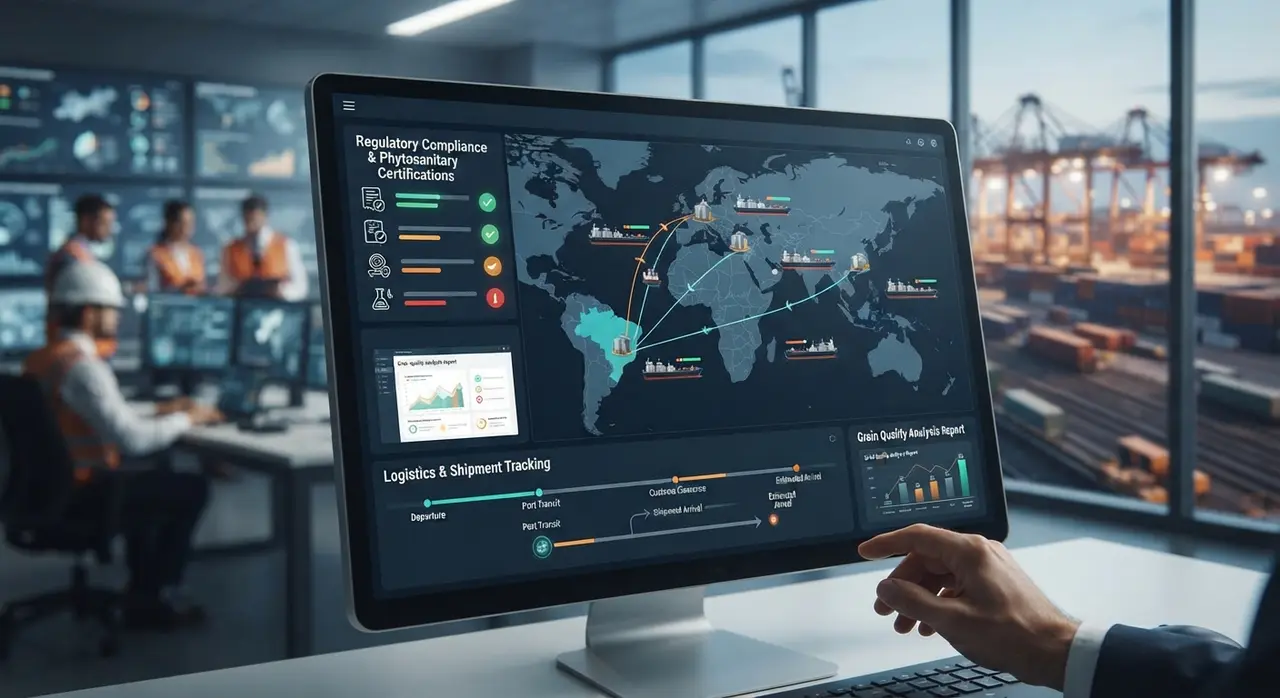
Autonomous AI agents eliminate export compliance errors by continuously auditing trade documentation against real-time regulatory databases. Rather than waiting for a human operator to catch a typing mistake on a phytosanitary certificate, an AI agent validates batch numbers, scientific plant names, treatment codes, and container identifiers instantly.
When a discrepancy occurs—such as a mismatched seal number between the packaging list and the phytosanitary application—the AI agent alerts responsible teams over WhatsApp or ERP notifications before the container leaves the farm or packing house. To explore broader cross-border capabilities, read our detailed guide on automated customs compliance for foreign trade.
Furthermore, these intelligent agents monitor regulatory updates issued by international phytosanitary authorities. If an import country updates its chemical residue thresholds or quarantine treatment requirements, the agent flags affected export batches immediately during the pre-shipment planning stage.
End-to-End Traceability: Connecting Farm Batches to Port Departure
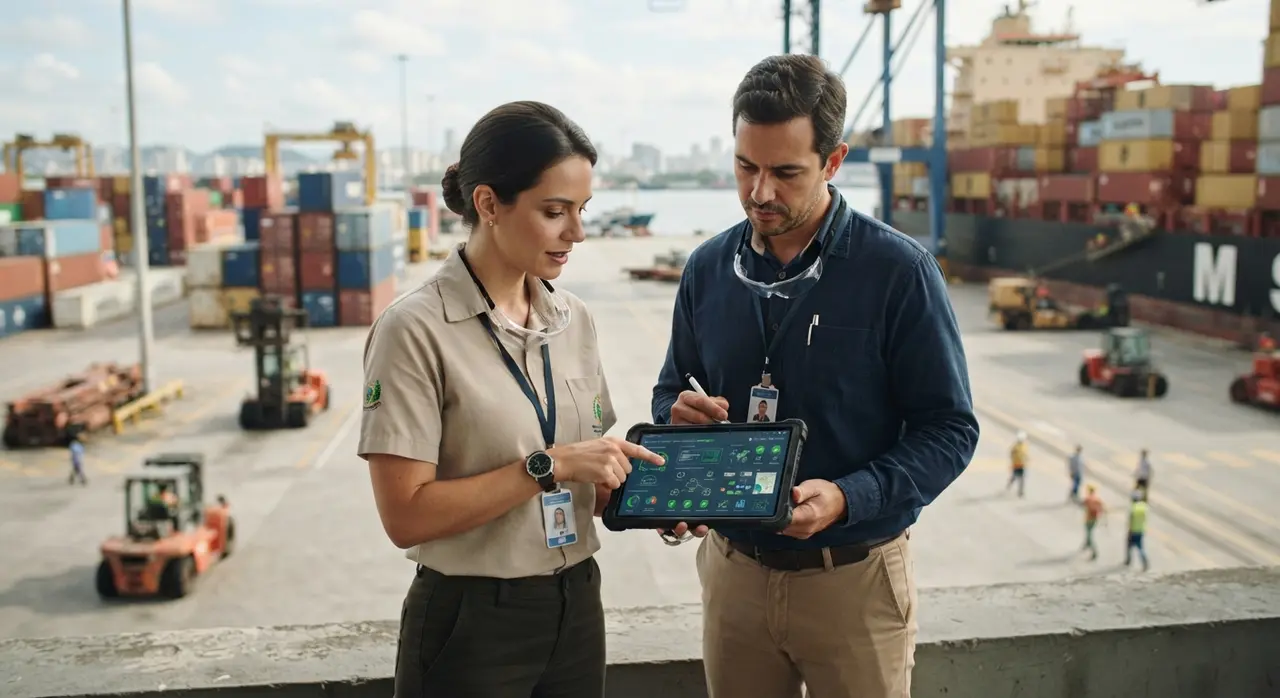
Complete origin-to-port traceability is mandatory for securing access to high-value international agricultural markets. AI agents bridge the data gap between field operations, processing facilities, highway freight operators, and port terminal operators.
By unifying data across farm management platforms, ERP systems (such as SAP or TOTVS), and transport management systems (TMS), AI agents create an unalterable audit trail for every shipped container. This ensures complete transparency for foreign buyers and regulatory authorities.
Optimizing port arrival schedules requires precise warehouse and transport coordination. Exporters can learn more about downstream warehouse synchronization in our analysis of warehouse logistics and shipping automation.
Comparing Export Workflows: Manual vs. Autonomous AI Execution
Replacing manual document compilation with autonomous AI execution changes how agribusiness operations handle peak export harvests. The table below illustrates the operational shifts when adopting AI agents for agricultural export compliance and logistics.
| Operational Aspect | Traditional Manual Workflow | Autonomous AI Agent Workflow |
|---|---|---|
| Document Audit Speed | Hours to days per shipment file | Sub-second automated validation |
| Regulatory Risk Detection | Reactive after port customs rejection | Proactive pre-departure validation |
| Multi-Agency System Sync | Manual re-entry into government portals | Direct API/RPA automated integration |
| Vessel Demurrage Exposure | High risk during documentation delays | Minimised via automated workflow alerts |
| Human Review Focus | Repetitive data checking and typing | Exception handling and buyer strategy |
Real-World Impact: How Exporters Prevent Cargo Rejection
A major Latin American fruit exporter shipping over 1,200 refrigerated containers per season faced recurring demurrage charges caused by phytosanitary certificate mismatches at the port of departure. Minor administrative errors in pest treatment documentation led to missed vessel cut-offs and costly container holding fees.
By deploying customized AI agents developed with Agentes Autômomos, the exporter automated the entire pre-shipment verification flow. The AI agents continuously cross-referenced farm harvest certificates, cold-treatment temperature logs, and phytosanitary applications directly within their SAP ERP and MAPA systems.
The result was a 95% reduction in container clearance delays, total elimination of document-based cargo rejections, and over $220,000 saved annually in port demurrage costs without replacing their legacy software architecture.
Integration Architecture: Connecting MAPA, Siscomex, ERP, and WhatsApp
Deploying enterprise AI agents does not require replacing your current IT infrastructure. Modern AI agents sit on top of your existing tech stack, connecting enterprise software, government portals, and communication tools seamlessly.
Agents operate as intelligent digital workers capable of accessing official government portals (such as MAPA, VigiAgro, and Siscomex), fetching certificates, reading PDF invoices via optical character recognition, and cross-checking data against enterprise ERP records. You can review our full range of tailored deployment models under our autonomous AI agent solutions.
- ERP & TMS Integration: Real-time syncing with SAP, TOTVS, or proprietary agribusiness software.
- Government Portals: Automated submission and status tracking on national trade networks.
- Instant Team Escalation: Automated alerts via WhatsApp or email whenever human authorization or physical sample collection is required.
Frequently Asked Questions
How do AI agents handle changing phytosanitary regulations in destination countries?
AI agents continuously monitor official international regulatory publications and foreign trade updates. When an import market modifies maximum residue limits or treatment rules, the agent automatically updates validation rules and flags non-compliant batches before shipment.
Do AI agents replace human customs brokers or agricultural engineers?
No, AI agents automate repetitive document compilation, cross-verification, and status tracking tasks. Human experts retain full decision-making control and are brought into the loop only when exceptions, physical inspections, or formal signatures are required.
How do AI agents integrate with legacy ERP systems and government trade portals?
AI agents connect through secure APIs or robotic process automation (RPA) layers. This allows them to read, process, and input data directly into platforms like SAP, TOTVS, MAPA, or Siscomex without requiring structural changes to your legacy infrastructure.
What is the typical timeframe to deploy an export documentation AI agent?
Initial operational deployments generally take between two to six weeks. The process involves mapping specific export routes, document templates, regulatory check-points, and connecting required system endpoints.