AI Agents for Industry: Quality & Beverage Traceability
Deploying AI agents for industry optimizes beverage quality control forecasting and batch traceability while reducing downtime and recall audit friction.
- AI Agents for Industry
- Quality Control Forecasting
- Batch Traceability
- Beverage Manufacturing
- Process Automation
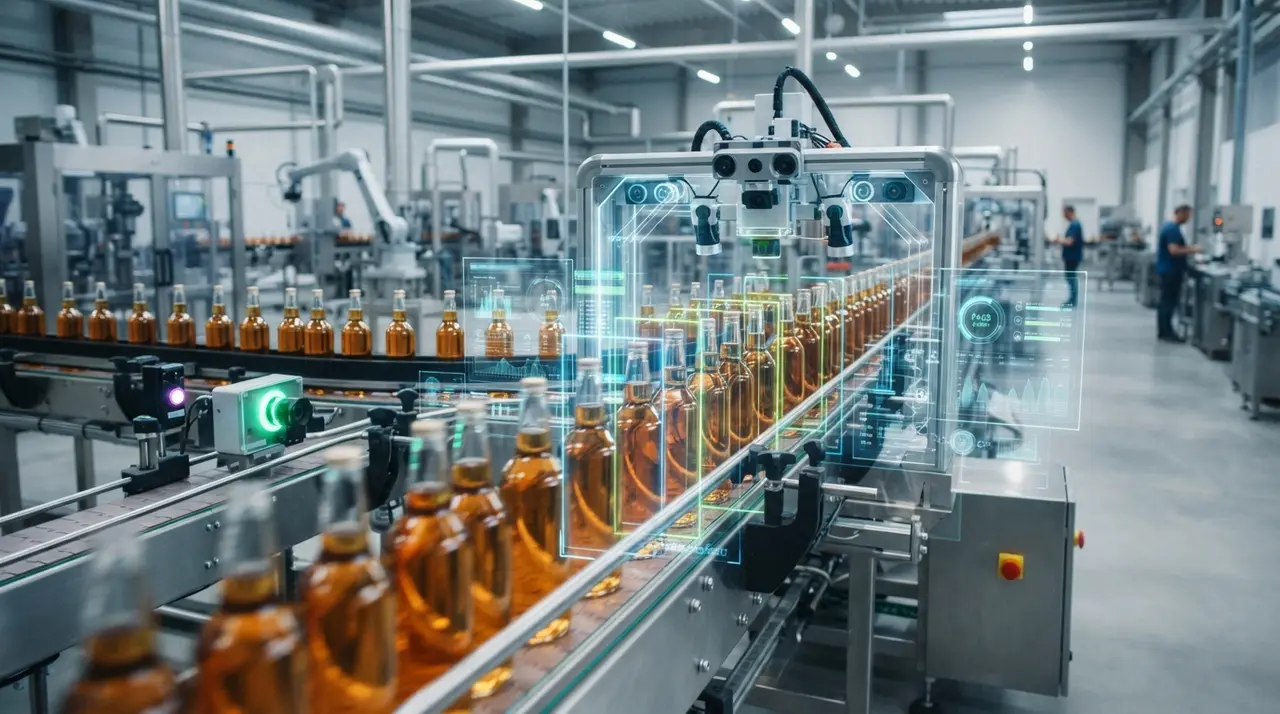
Deploying AI agents for industry transforms beverage manufacturing by automating real-time quality inspection, dynamic demand forecasting, and end-to-end batch traceability. Autonomous AI workflows bridge existing plant hardware, ERP systems, and warehouse logistics without requiring plants to replace their core infrastructure.
Beverage manufacturing operates at extreme speeds under strict sanitary regulations and intense demand volatility. High-speed bottling and canning lines run thousands of units per minute, where a minor misalignment in capping or label placement creates massive rework costs. Combined with seasonal spikes caused by weather shifts or regional events, plant managers face constant pressure to maintain output quality while balancing raw material inventory.
Autonomous AI agents solve these operational hurdles by acting as intelligent coordination layers across production lines, supply chain feeds, and quality databases. Instead of relying on manual sampling or static spreadsheets, enterprise operations deploy agentic workflows that continuously inspect, predict, and execute inline adjustments.
Autonomous Line Inspection and Real-Time Quality Assurance
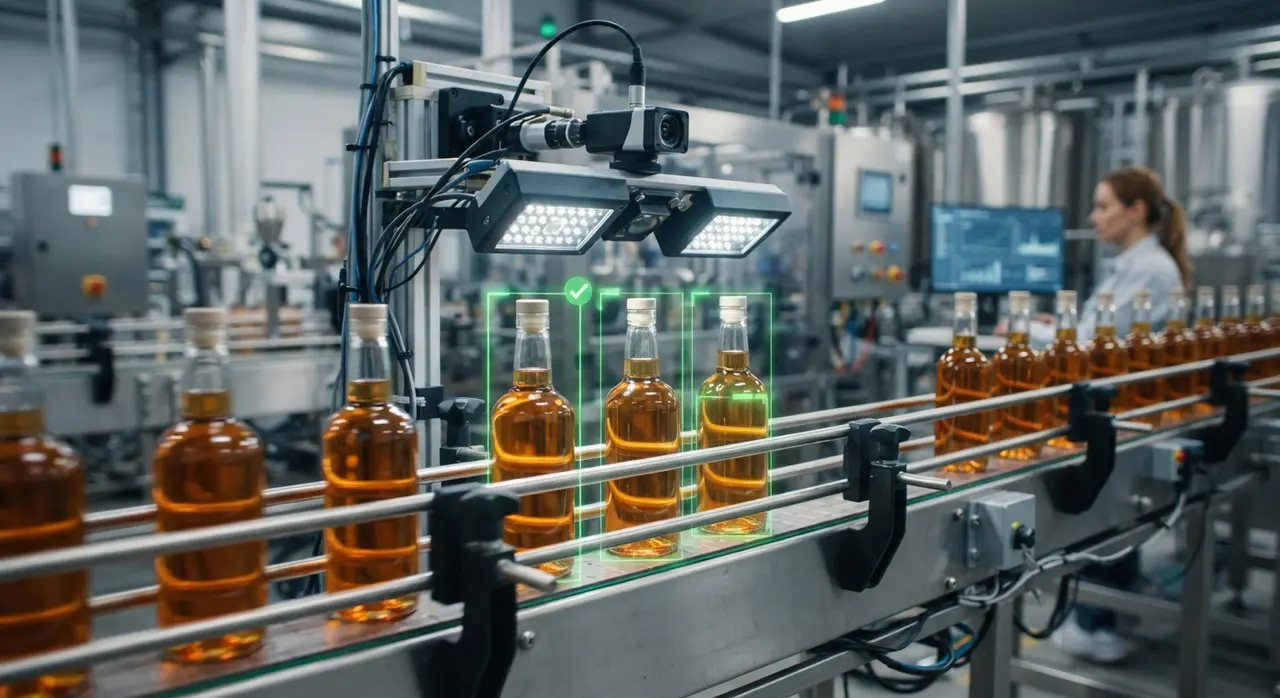
Computer vision integrated with AI agents detects micro-defects in bottling lines faster and more reliably than traditional optical sensors. By processing high-resolution visual streams at line speed, AI agents inspect fill levels, cap torque seating, label alignment, and container structural integrity in real time.
Traditional line vision systems frequently trigger false positives, causing unnecessary conveyor halts and manual overrides. AI agents continuously learn from historical inspection data to distinguish benign cosmetic variations from critical defects. When a true anomaly occurs—such as a series of underfilled aluminum cans—the agent instantly signals the programmable logic controller (PLC) to reject the affected units without stopping the entire line.
- Fill Level Verification: Ensures exact liquid volume compliance to avoid regulatory penalties and customer dissatisfaction.
- Sealing & Cap Integrity: Identifies crooked, loose, or damaged closures to prevent oxidation, contamination, or leaking during transport.
- Label & Code Validation: Scans barcode legibility, expiration date printing, and label positioning across multi-SKU runs.
- Structural Container Inspection: Detects hairline fractures in glass bottles or dented sidewalls in aluminum cans before filling.
By automating inline inspection, plants eliminate offline manual quality checks and protect brand equity from costly product defects. Operations leaders can review detailed operational automation benefits to understand how AI-driven quality validation stabilizes plant performance.
Predictive Demand Forecasting for Seasonal Beverage Peaks
AI agents calculate beverage demand by synthesizing ambient weather metrics, local event schedules, macroeconomic indicators, and historical distributor ordering patterns. Beverage consumption spikes unpredictably during heatwaves, holiday weekends, and major sporting events, making traditional linear forecasting models ineffective.
Static demand forecasting often leads to two costly extremes: out-of-stock scenarios during peak summer demand or bloated inventory of short-shelf-life products during cool spells. AI agents eliminate these blind spots by pulling continuous data streams from ERPs, retail POS feeds, and meteorological services. They instantly re-calculate safety stock levels and suggest adjusted production schedules to plant managers.
When an unexpected heatwave is predicted for a specific distribution region, the AI agent calculates the required inventory buffer for soft drinks or beer. It cross-references current raw material stock—such as CO2, sweetener, and packaging film—and alerts procurement teams if additional purchase orders are necessary. This proactive planning optimizes raw ingredient storage and reduces product shelf-life expiration risks across multi-unit warehouses.
End-to-End Batch Traceability and Instant Recall Readiness
AI agents execute instant multi-tiered batch tracing by linking raw ingredient lot numbers directly to finished goods distribution records. In the beverage sector, health regulations demand absolute transparency from farm ingredient sourcing down to final delivery locations.
When a raw material supplier flags a potential quality issue with a specific batch of citric acid or hops, manual batch tracing requires hours of manual ERP queries, paper log inspections, and warehouse audits. AI agents automate this entire query sequence in seconds. The agent maps every bottle, keg, or case produced with that specific ingredient batch, pinpointing exact warehouse locations, transit trucks, and retail distributors.
In a simulated mock-recall scenario, an autonomous agent can generate a full regulatory audit report within minutes. It isolates contaminated stock, places automated holds in the Warehouse Management System (WMS), and alerts quality directors with recommended corrective actions. This level of responsiveness safeguards public health and protects beverage brands from catastrophic recall fines.
| Operational Metric | Traditional Beverage Operations | AI Agent-Driven Beverage Operations |
|---|---|---|
| Inspection Speed & Accuracy | Manual sampling + basic sensors; high false positives | High-speed vision AI; sub-millisecond automated rejection |
| Batch Traceability Speed | Hours to days across manual ERP & paper logs | Instant (seconds) automated multi-level batch lineage |
| Demand Forecast Accuracy | Static historical monthly averages | Dynamic AI modeling (weather, events, POS data) |
| Recall Response Time | 24 to 48 hours for isolation | Immediate automated WMS inventory locks |
| Line Changeover Setup | Manual adjustments based on operator experience | Agentic recipe validation & automated PLC parameters |
Predictive Maintenance and SKU Changeover Optimization
Predictive maintenance agents evaluate mechanical vibration, thermal telemetry, and pressure sensor readings to detect bottling equipment wear before breakdown occurs. High-speed beverage plants run on tight margins where an unplanned conveyor jam or pump failure costs tens of thousands of dollars per hour.
AI agents monitor continuous telemetry from blow molders, fillers, seamers, and palletizers. By detecting subtle operational drift—such as abnormal temperature rises in a liquid filler pump bearing—the agent schedules targeted maintenance during planned downtime. This prevents catastrophic equipment failures during high-demand production runs.
Furthermore, managing frequent SKU changeovers between different bottle sizes, sugar profiles, and packaging formats creates substantial downtime loss. AI agents streamline changeover workflows by validating line cleaning routines (Clean-In-Place verification), setting automated parameter presets on labeling machinery, and verifying that the correct packaging materials are staged at the line. Operations teams seeking broader logistics synchronization can explore warehouse management and smart picking solutions to connect line output directly with dispatch workflows.
Enterprise Systems Integration and Operational ROI
Autonomous AI agents integrate directly into existing SAP, Oracle, Infor ERPs, SCADA systems, and messaging apps like WhatsApp without requiring infrastructure overhauls. Operations managers do not need to rewrite legacy software or retrain entire shop-floor workforces to achieve automated control.
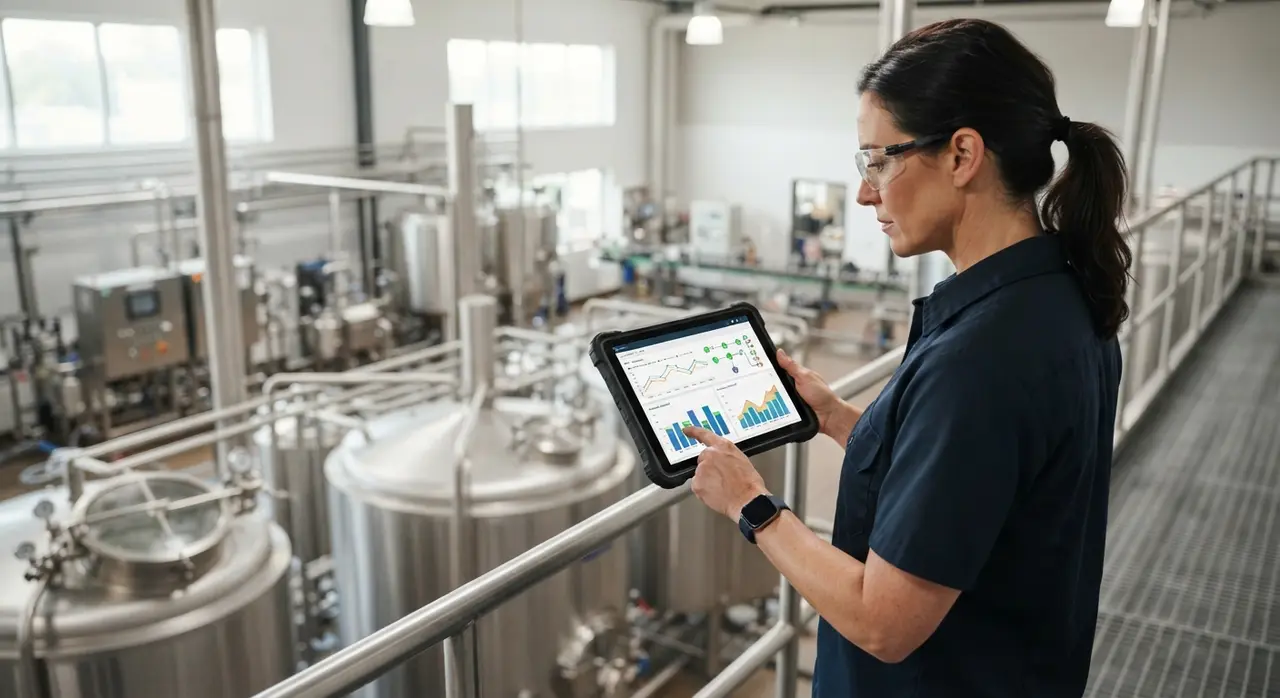
Instead, AI agents act as intelligent operational middleware. They extract raw data from line sensors and production databases, run analytical models, and route actionable notifications to line supervisors via mobile dashboards or WhatsApp messaging. When human oversight is required—such as approving a line shutdown or authorizing an emergency raw material order—the agent presents the relevant context and executes the decision upon human approval.
Mini-Case Study: Regional Brewery Line Optimization
A high-volume regional craft beverage producer experienced high bottle reject rates and inventory inaccuracies during summer demand surges. Manual lot tracking took over 8 hours per audit, creating severe friction with distribution partners during product recalls or quality inquiries.
By implementing targeted enterprise AI solutions developed with Agentes Autônomos, the producer connected existing line inspection cameras and ERP inventory logs to an autonomous AI agent layer. Within 90 days, line defect false positives dropped drastically, batch recall response time was reduced from 8 hours to under 45 seconds, and seasonal stockouts were virtually eliminated through weather-informed demand forecasting.
Conclusion
Implementing AI agents in beverage manufacturing delivers measurable efficiency across quality assurance, inventory planning, and regulatory compliance. Plants that adopt autonomous agentic workflows reduce scrap rates, optimize inventory buffers against seasonal weather shifts, and gain full control over batch traceability. By layering smart AI capabilities on top of legacy machinery and enterprise ERPs, beverage executives achieve operational excellence without disrupting daily production schedules.
Frequently asked questions
How do AI agents improve quality control on high-speed beverage bottling lines?
AI agents analyze real-time video feeds and optical sensor data to inspect fill levels, cap torque, label alignment, and glass integrity. They filter out false positives and automatically instruct line PLCs to reject defective units instantly without interrupting overall conveyor flow.
Can AI agents integrate with legacy ERPs and SCADA systems in beverage plants?
Yes, AI agents connect natively with legacy ERP systems like SAP or Oracle, SCADA networks, and WMS platforms via APIs and database connectors. They process data and coordinate workflows without requiring plants to replace their existing software or hardware infrastructure.
How does AI-driven demand forecasting account for beverage seasonality?
AI agents incorporate external data inputs such as local weather patterns, regional event calendars, and macroeconomic trends alongside internal sales data. This real-time analysis allows plant managers to dynamically adjust safety stocks and production schedules before seasonal demand spikes occur.
What role do AI agents play during a product recall in the beverage industry?
AI agents instantly map the full supply chain lineage of any raw material batch to finished inventory cases and distributor locations. They generate regulatory compliance reports in seconds and automatically execute inventory locks within the WMS to isolate compromised batches immediately.