
Private AI Infrastructure TCO: Factors Before Investing
Calculate the true Total Cost of Ownership TCO of private AI infrastructure. Learn hidden costs, hardware, MLOps talent, and public API break-even points.
- Enterprise AI
- Total Cost of Ownership
- AI Infrastructure
- MLOps
- AI Governance
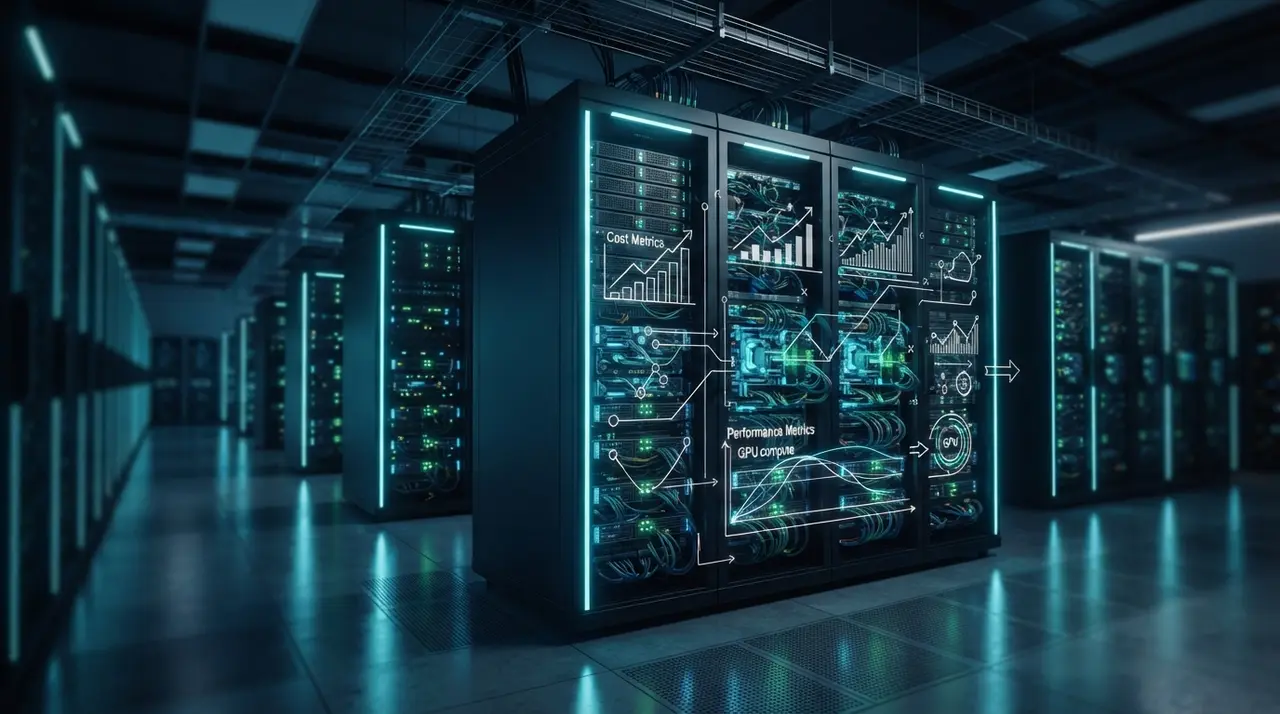
Calculating the Total Cost of Ownership TCO for Enterprise AI
Calculating the Total Cost of Ownership TCO for private AI infrastructure requires evaluating initial capital expenditure alongside ongoing MLOps engineering, hardware depreciation, energy consumption, and continuous model maintenance. While purchasing dedicated server hardware provides high data sovereignty and predictable local latency, enterprise decision-makers often underestimate long-term operational overhead by forty to sixty percent when planning their initial investment.
Companies adopting generative models and autonomous workflows frequently focus on upfront graphics processing unit (GPU) prices. However, operating de uma infraestrutura built in-house demands specialized talent, enterprise security guardrails, data pipeline monitoring, and integration with legacy tools like SAP, Salesforce, and WhatsApp Business API.
Before signing off on large hardware procurements, executive teams must establish a realistic financial model. Evaluating the true TCO helps companies determine whether building private infrastructure, leveraging cloud-based dedicated instances, or deploying orchestrated solutions like enterprise AI solutions delivers the best return on investment for their operational scale.
The Visible Capital Costs: Hardware and Base Licensing
Upfront hardware investments represent the most obvious expense when building on-premise or collocated private AI clusters. Enterprise-grade AI chips—such as NVIDIA H100 or L40S processors—require heavy upfront capital expenditure (CapEx) along with specialized server architectures equipped with high-bandwidth interconnects and high-speed NVMe storage.
- High-Performance Compute Nodes: Dedicated AI servers capable of running enterprise-scale large language models (LLMs) locally require multi-GPU configurations, high-density RAM, and redundant power supplies.
- Enterprise Networking: Standard gigabit network switches create severe bottlenecks during model inference and fine-tuning. Private clusters demand high-speed InfiniBand or specialized ethernet fabrics to maintain low-latency data transport.
- Base Software Licensing: Beyond raw hardware, private deployments require virtual management platforms, enterprise Linux distributions, container orchestration tools, and commercial AI frameworks.
Because hardware cycles move rapidly, high-end compute nodes face severe functional obsolescence within three to four years. To prevent unexpected capital demands, CFOs must structure depreciation schedules that reflect rapid shifts in accelerator architecture.
The Hidden Operational Pillar: Energy, Cooling, and Facility Upgrades
Power consumption and thermal management represent substantial operational expenses (OpEx) that many corporate IT departments fail to fully project. High-density AI servers run continuously at high wattages, generating thermal loads that standard server rooms cannot dissipate without liquid cooling or high-capacity HVAC retrofits.
A single cabinet filled with high-density compute nodes can pull thirty to forty kilowatts of power per hour. Over a multi-year deployment, electricity bills and dedicated cooling maintenance often surpass the initial procurement cost of the physical servers.
Additionally, physical security, facility space allocation, fire suppression systems, and uninterruptible power supply (UPS) backups introduce baseline facility costs that recur every month. Factoring these physical constraints into early financial models prevents budget overruns before hardware delivery.
MLOps Engineering and the Talent Cost Realities
Maintaining private AI infrastructure requires specialized engineering teams to handle model optimization, orchestration, and continuous system monitoring. The cost of hiring and retaining experienced MLOps engineers, platform architects, and AI security specialists frequently represents the single largest operational line item in a private AI budget.
Without dedicated MLOps oversight, corporate AI systems suffer from performance degradation, unmonitored system outages, and security vulnerabilities. Key technical roles required to maintain a private environment include:
- Infrastructure & Platform Engineers: Responsible for hardware provisioning, Kubernetes orchestration, cluster health, and network optimization.
- MLOps Specialists: Focused on model deployment pipelines, quantization, context management, and continuous performance fine-tuning.
- AI Governance & Security Engineers: Tasked with role-based access control (RBAC), data loss prevention (DLP), compliance logging, and guardrail enforcement.
For organizations whose core business is not software development, maintaining this multidisciplinary team in-house introduces severe overhead and retention risks. Strategic leadership must decide whether maintaining in-house platform talent aligns with core strategic priorities.
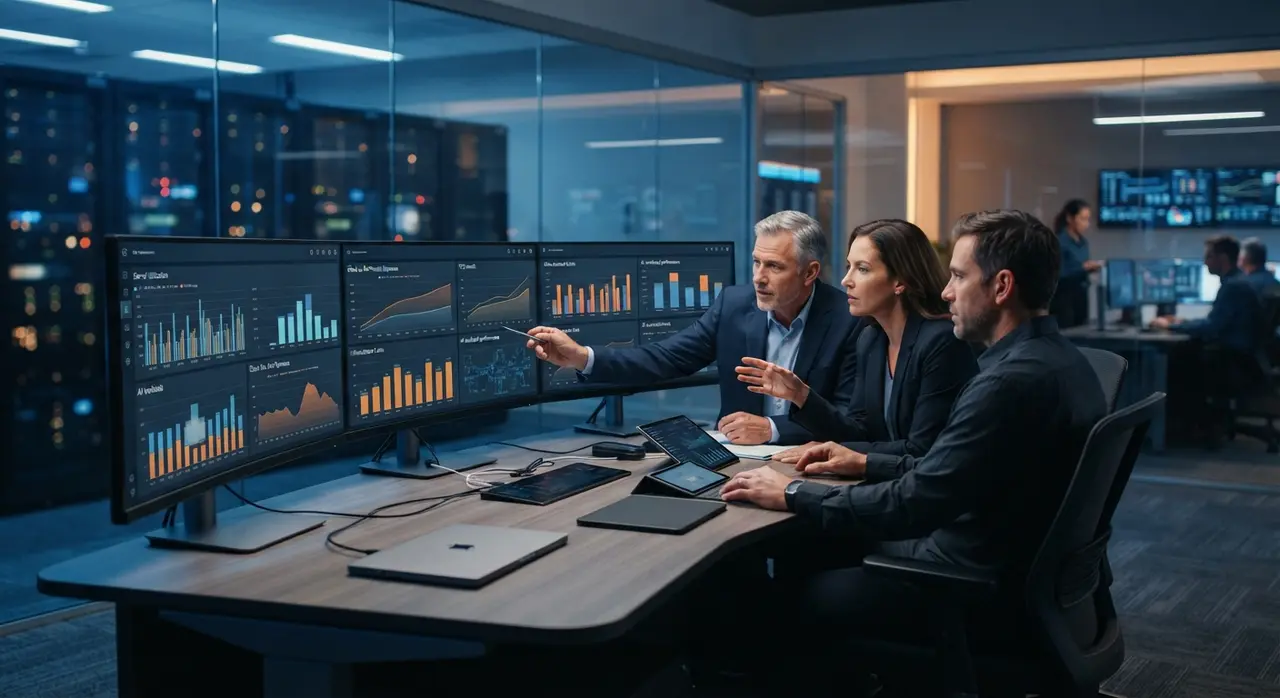
Integration Complexity with Existing Enterprise Systems
Deploying a private AI infrastructure is only effective if artificial intelligence seamlessly interacts with day-to-day business tools. Connecting isolated LLM instances to enterprise resource planning (ERP) systems, customer relationship management (CRM) databases, and operational communication channels like WhatsApp introduces significant integration costs.
Standard enterprise workflows rely on legacy databases and custom APIs. Creating custom connectors, managing data sanitization pipelines, and ensuring real-time response synchronization across multi-unit departments requires extensive custom software development.
When companies underestimate integration complexity, isolated AI models become expensive siloes. Successful adoption relies on implementing flexible agentic AI enterprise architecture that can execute actions within existing ERPs without forcing complete infrastructure replacement.
Technical Debt, Model Drift, and Ongoing Maintenance
AI models are not static assets; their performance degrades over time as underlying business processes, product catalogs, and customer habits evolve. Managing model drift and maintaining technical health requires continuous monitoring, dataset updating, and periodic retraining.
In custom-built private deployments, engineering teams must build continuous integration and evaluation pipelines to ensure output accuracy. Key maintenance considerations include:
- Data Drift Monitoring: Detecting shifts in input data distributions to prevent incorrect automated decision-making in sales or logistics workflows.
- Knowledge Base Refreshing: Updating internal retrieval-augmented generation (RAG) vector stores continuously as company policies, product prices, and stock inventories change.
- Patching and Vulnerability Management: Updating open-source libraries, container base images, and drivers to guard against security exploits.
Failing to budget for ongoing maintenance leads to mounting technical debt, reduced user adoption across operational departments, and potential compliance failures.
Comparing Financial and Non-Financial Factors: Private AI vs. Managed Public APIs
Choosing between private infrastructure and managed API endpoints involves evaluating financial break-even points along with non-financial strategic mandates. While public APIs offer zero upfront CapEx and instant elasticity, private infrastructure provides fixed operational cost caps at massive, predictable request volumes.
| Evaluation Factor | Private AI Infrastructure | Managed Cloud APIs | Managed Autonomous Agents |
|---|---|---|---|
| Upfront CapEx | High (Hardware, Switches, Facilities) | Zero | Zero / Low Setup |
| Monthly OpEx | Fixed high baseline (Power, MLOps) | Variable based on token usage | Predictable tiered volume |
| Data Sovereignty | Absolute local control | Dependent on vendor terms | Enterprise-grade governed control |
| MLOps Talent Need | Dedicated in-house team needed | Minimal | Handled by specialized vendor |
| Implementation Speed | 6 to 12 months | Days to weeks | Days to weeks |
Organizations must determine the exact token volume threshold where private server utilization yields lower per-inference costs than pay-per-use public models. However, non-financial factors such as strict data residency laws, custom latency requirements, and intellectual property control often outweigh pure token arithmetic.
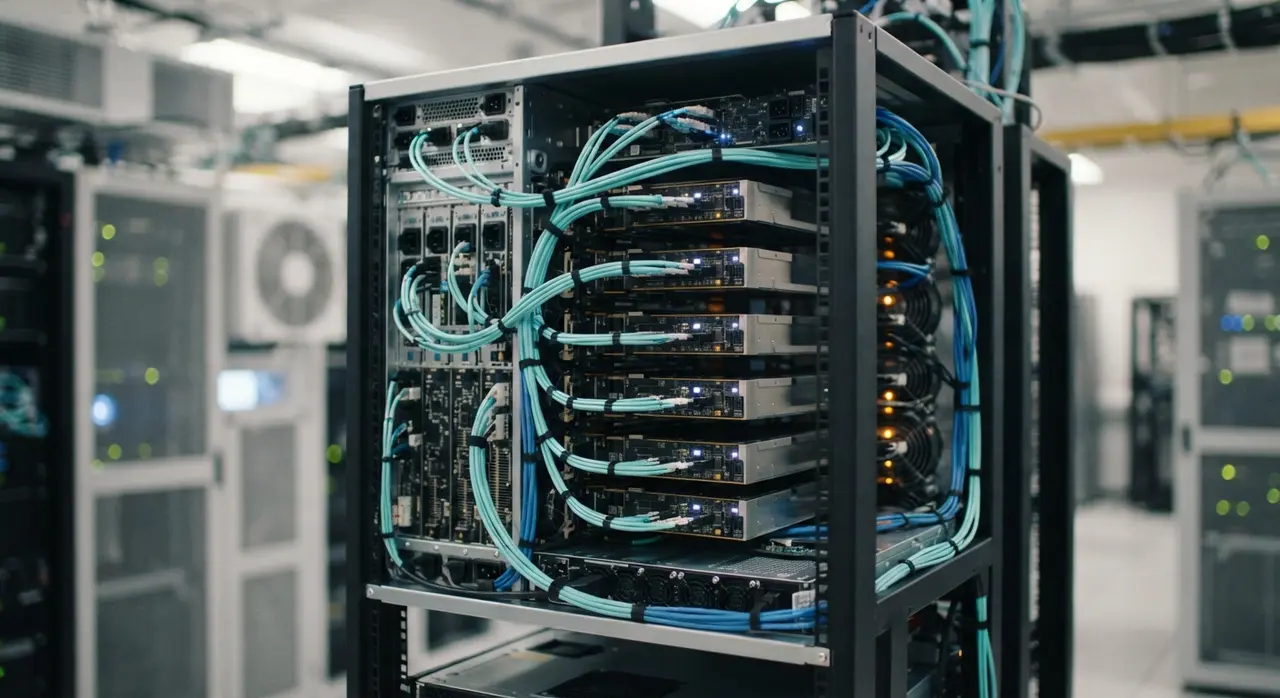
Projecting Payback Period and Financial Decision Scenarios
Calculating the payback period for private AI infrastructure requires comparing total cumulative investment against operational efficiency gains, reduced manual labor, and error reduction. A comprehensive financial model must capture decreased ticket resolution times, reduced inventory shrinkage, and faster procurement cycles across all business units.
To evaluate potential investments before signing hardware contracts, procurement leaders should review an AI agent vendor checklist to assess total implementation timelines, hidden licensing fees, and vendor support commitments.
Mini-Case Study: Multi-Unit Industrial Distributor Mitigates TCO Risks
A regional industrial equipment distributor operating twelve distribution centers needed to automate inventory lookup and purchase order validation across WhatsApp and legacy ERP systems. Initially, the company evaluated purchasing a $250,000 on-premise multi-GPU cluster to process customer inquiries privately.
Upon calculating the true TCO—which revealed an additional $180,000 annual expense for dedicated MLOps personnel, high-density power upgrades, and custom software maintenance—the executive team reconsidered. Instead of building physical infrastructure, they implemented orchestrated solutions from Agentes Autônomos.
By leveraging secure, pre-built autonomous agents linked directly to their existing ERP database and WhatsApp channels, the distributor eliminated upfront hardware CapEx entirely. The enterprise achieved automated handling of 78% of order status inquiries within three weeks, saving thousands of hours of manual administrative labor while keeping financial data protected under enterprise governance protocols.
Strategic Recommendation: Making a Future-Proof Decision
Determining the Total Cost of Ownership TCO of a private AI infrastructure is a fundamental business strategy decision rather than a simple hardware purchase. Buying servers creates long-term operational rigidity and ongoing personnel commitments that many enterprise budgets cannot maintain over multi-year software cycles.
For companies whose primary focus is operational efficiency, customer service velocity, and inventory accuracy, building raw compute infrastructure is rarely the most cost-effective path. Choosing orchestration platforms that bridge legacy systems with governed AI models allows enterprises to scale process automation rapidly while controlling total operational costs.
Frequently asked questions
What is the biggest hidden cost when building a private AI infrastructure?
The single largest hidden cost in private AI infrastructure deployments is the ongoing requirement for specialized technical talent, including MLOps engineers and system maintainers. While hardware procurement is a one-time capital expense, hiring, training, and retaining talent to manage cluster health, fine-tuning, security patches, and model drift typically exceeds hardware costs over a three-year operational lifecycle.
How long does enterprise AI hardware usually last before becoming obsolete?
Enterprise AI hardware typically has a functional life cycle of three to four years before newer GPU architectures render older chips economically inefficient for high-density inference and training. Operating outdated compute nodes increases energy consumption per token and slows execution speeds compared to modern cloud or hybrid alternatives.
At what request volume does private AI infrastructure become cheaper than public APIs?
Private AI infrastructure generally becomes cost-competitive with public APIs only when an enterprise processes tens of millions of consistent, high-volume requests per month. At lower or fluctuating request volumes, the fixed operational expenses of power, colocation, facility cooling, and MLOps personnel make public or managed cloud endpoints significantly more cost-effective.
Can a company achieve data privacy without buying dedicated on-premise servers?
Yes, enterprise organizations can achieve complete data privacy without purchasing on-premise physical servers. By utilizing private VPC instances, enterprise-grade zero-data-retention agreements, localized data encryption, and dedicated autonomous agent platforms, companies can maintain strict data sovereignty while avoiding physical infrastructure management.